Buy wwcs.eu ?
We are moving the project
wwcs.eu .
Are you interested in purchasing the domain
wwcs.eu ?
domain@kv-gmbh.de · 0541-91531010
Buy wwcs.eu ?
What is the order of sigma forward, pi reverse, and pi forward bonding?
The order of bonding in terms of bond strength is sigma forward > pi forward > pi reverse. Sigma bonds are the strongest type of covalent bonds, formed by head-on overlap of atomic orbitals. Pi bonds are formed by the side-to-side overlap of p orbitals, and pi forward bonds are stronger than pi reverse bonds due to the orientation of the overlapping orbitals. Overall, sigma forward bonds are the strongest, followed by pi forward bonds, and then pi reverse bonds. **
What distinguishes all types of bonding: ionic bonding, metallic bonding, and covalent bonding?
Ionic bonding involves the transfer of electrons from one atom to another, resulting in the formation of positively and negatively charged ions that are attracted to each other. Metallic bonding involves the sharing of electrons among a sea of delocalized electrons, creating a "sea of electrons" that holds the metal atoms together. Covalent bonding involves the sharing of electrons between atoms, resulting in the formation of molecules. Despite their differences, all types of bonding involve the interaction of electrons between atoms to form stable chemical compounds. **


Similar search terms for Pi-bonding
Top-Angebote
Products related to Pi-bonding:
-
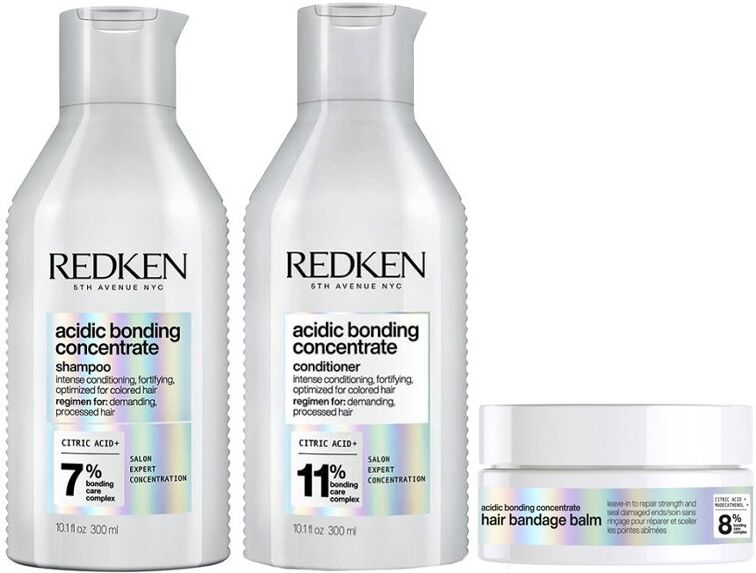
Redken Acidic Bonding Concentrate Shampoo 300ml, Acidic Bonding ConditTransform and treat your damaged hair with the Redken Acidic Bonding Concentrate Hair Bandage Balm Bundle, featuring Acidic bonding concentrate shampoo & Conditioner. Redken's Acidic Bonding Concentrate Hair Bandage Balm helps visibly seal damaged, dry split ends in one use*. Its 8% bonding care complex helps repair broken bonds, boosting strength and elasticity. Enjoy the balm's rich, warm scent with notes of salted lemon mandarin, blood orange jasmine, and cedarwood sugared amber. Combine with Acidic Bonding Concentrate Shampoo and Conditioner, the dynamic duo that works in synergy to fortify every strand, leaving lengths feeling and looking significantly stronger. Achieve intensely smoother, stronger, and visibly healthier hair with this complete regimen. * Vs non-conditioning shampoo BENEFITS: Bandage Balm: Citric acid relinks broken bonds to repair strength + elasticity deep inside hair Madecathenol binds cuticle layers to cortex to seal damaged Ends instantly shampoo: Up to 56% less breakage* * Brushing Test. When used as a system of Acidic Bonding Concentrate Shampoo and Conditioner vs. Classic Shampoo on Bleached Hair Up to 76% of split ends appear reduced** ** Visual Grading. When used as a system of Acidic Bonding Concentrate Shampoo, Conditioner and Leave-In Treatment vs. classic shampoo on bleached hair Up to 11x smoother hair*** System reduces frizz and adds intense shine. *** When used as a system of Acidic Bonding Concentrate Shampoo, Conditioner and Leave-In Treatment pH balancing for color fade protection For all hair types and textures Citric Acid, an alpha hydroxy acid, which conditions to help protect weak bonds conditioner: • Up to 56% less breakage* • Up to 76% of split ends appear reduced** • Up to 11x smoother hair*** System reduces and adds intense shine. • pH balancing for color fade protection • For all hair types and textures • Citric Acid, an alpha hydroxy acid which conditions to help protect weak bonds * Brushing Test. When used as a system of Acidic Bonding Concentrate Shampoo and Conditioner vs. Classic Shampoo on Bleached Hair ** Visual Grading. When used as a system of Acidic Bonding Concentrate Shampoo, Conditioner and Leave-In Treatment vs. classic shampoo on bleached hair *** When used as a system of Acidic Bonding Concentrate Shampoo, Conditioner and Leave-In Treatment Ingredients: Bandage Balm: AQUA / WATER / EAU • DIMETHICONE • CETEARYL ALCOHOL • AMODIMETHICONE • PARFUM / FRAGRANCE • PHENOXYETHANOL • DIMETHICONOL • POLYQUATERNIUM-37 • TRIDECETH-5 • STEARETH-20 • CETYL HYDROXYETHYLCELLULOSE • PROPYLENE GLYCOL DICAPRYLATE/DICAPRATE • GLYCERIN • CITRIC ACID • TRIDECETH-10 • PANTHENOL • SODIUM HYDROXIDE • TETRAMETHYL ACETYLOCTAHYDRONAPHTHALENES • CARVONE • PPG-1 TRIDECETH-6 • LIMONENE • CITRUS AURANTIUM PEEL OIL • CHLORHEXIDINE DIGLUCONATE • LINALOOL • CITRUS LIMON PEEL OIL • HEXYL CINNAMAL • ACRYLATES/STEARYL METHACRYLATE COPOLYMER • LINALYL ACETATE • ACETIC ACID • SORBITAN OLEATE • MADECASSOSIDE • HYDRATED...66,68 £*Shipping: 0,00 £Secure redirect to the provider
-
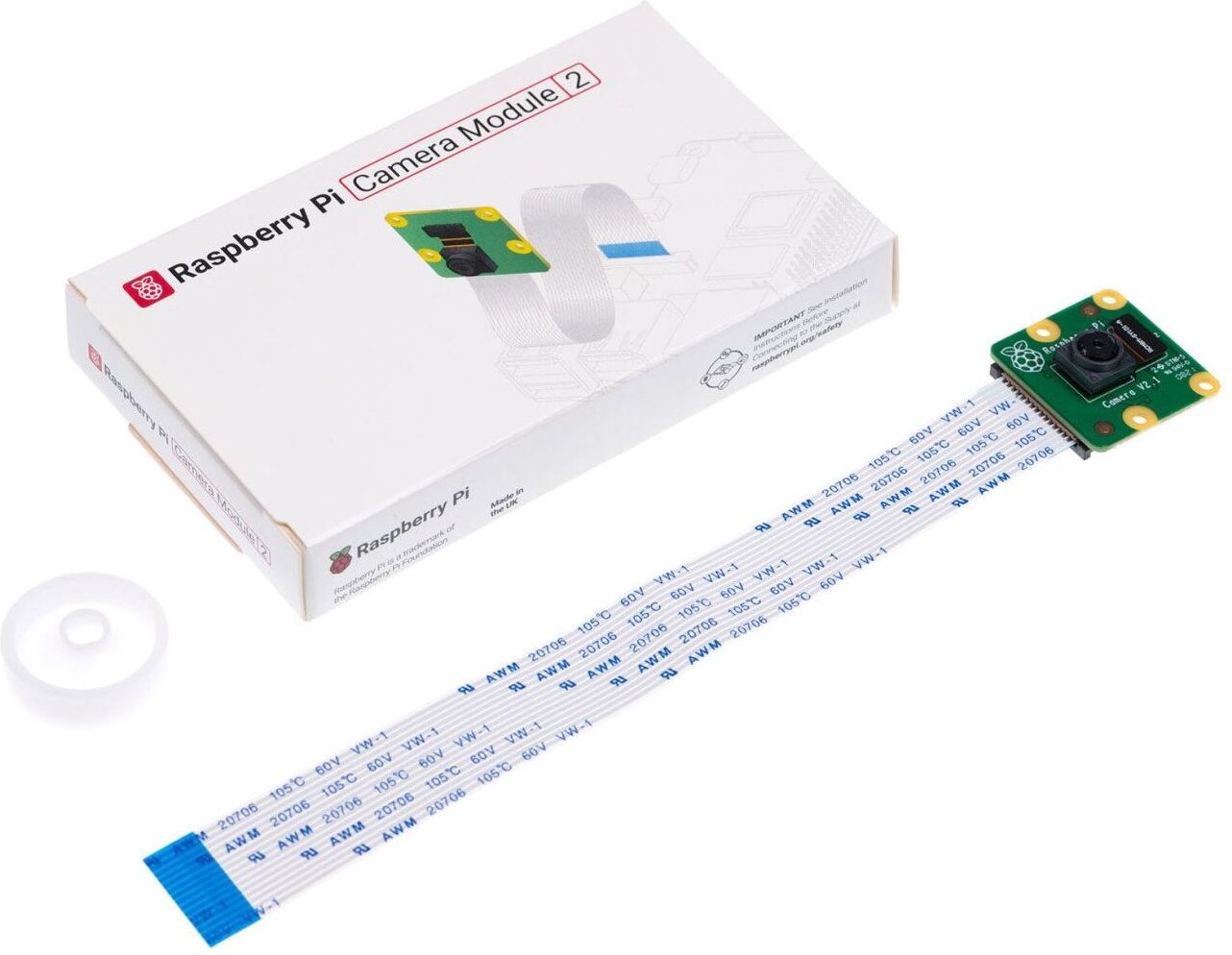
Raspberry Pi - Raspberry Camera Module V2, NewUnlock the full potential of your Raspberry Pi projects with the Raspberry Pi Camera Module V2 . This high-quality, 8-megapixel camera is designed to seamlessly integrate with all Raspberry Pi boards, making it perfect for photography, video recording, time-lapse projects, surveillance systems, and even machine learning applications. Built with the Sony IMX219 image sensor, the Camera Module V2 delivers crystal-clear images and smooth 1080p HD video, bringing professional-level performance to your DIY builds and tech experiments. ✅ 8MP Sony IMX219 Sensor – Capture high-resolution still images and full HD video with exceptional clarity. ✅ 1080p HD Video Recording – Record smooth video at 30fps, or go for 720p at 60fps for slow-motion shots. ✅ Raspberry Pi Compatible – Works with all Raspberry Pi models via the dedicated CSI interface. ✅ Compact & Lightweight Design – Perfect for embedded projects and portable applications. ✅ Infrared-Compatible Version Available – Ideal for night vision and low-light projects (with IR version). ✅ Wide Range of Applications – Great for home security, wildlife monitoring, facial recognition, and more. ✅ Plug-and-Play Setup – Easy connection and quick configuration using Raspberry Pi OS. ✅ Adjustable Focus – Customize image sharpness for your specific project needs. ✅ Broad Software Support – Compatible with Python, OpenCV, and various Pi camera libraries. ✅ Durable PCB Build – Designed for long-term use with reliable performance in DIY and professional environments. The Raspberry Pi Camera Module V2 is a must-have tool for any tech enthusiast, hobbyist, or developer looking to add high-quality imaging capabilities to their Raspberry Pi setup. Whether you're building a robot, home automation system, or video stream solution, this camera module delivers professional results in a tiny, versatile package.11,99 £*Shipping: 0,00 £Secure redirect to the provider
-
Phoenix Disney Princess - Once Upon an Adventure - Lift-a-Flap Sound Book - PI Kids (Play-A-Sound)Explore the magical worlds of favorite Disney Princesses in this interactive storybook filled with sounds and surprises! Search the sweetly illustrated spreads for hidden flaps that point you to sound buttons, and then press the buttons to bring the stories to life. This book is special because: Matching words to pictures and sounds improves comprehension Lifting flaps strengthens find motor skills Princess stories encourage imagination, exploration, and curiosity Includes a plethora of princesses: Ariel from The Little Mermaid, Belle from Beauty and the Beast, Rapunzel from Tangled, Jasmine from Aladdin, and Pocahontas!4,99 £*Shipping: 1,99 £Secure redirect to the provider
-
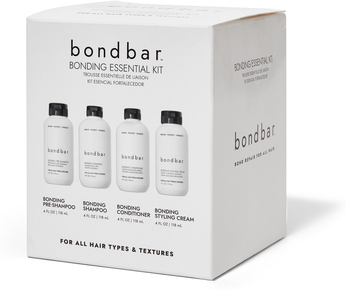
Bondbar Bonding Essential Kitbondbar Bonding Essentials Kit comes with everything you need to kickstart your healthy hair care routine. It includes bondbar Bonding Pre-Shampoo, bondbar Bonding Shampoo, bondbar Bonding Conditioner and bondbar Bonding Styling Cream. Hair is made...29,99 $*Shipping: 0,00 $Secure redirect to the provider

-
What distinguishes all types of chemical bonding: ionic bonding, metallic bonding, and covalent bonding?
The main distinction among the three types of chemical bonding lies in the way atoms are held together. In ionic bonding, atoms transfer electrons to achieve a stable electron configuration. Metallic bonding involves a sea of delocalized electrons shared among a lattice of metal atoms. Covalent bonding, on the other hand, involves the sharing of electrons between atoms to achieve a stable electron configuration. Each type of bonding results in different properties and behaviors of the substances formed. **
-
What are examples of ionic bonding, covalent bonding, and metallic bonding?
Ionic bonding occurs when one atom transfers electrons to another, resulting in the formation of positively and negatively charged ions that are attracted to each other. An example of ionic bonding is the bond between sodium and chlorine in sodium chloride (table salt). Covalent bonding occurs when atoms share electrons to achieve a full outer shell. An example of covalent bonding is the bond between two hydrogen atoms in a molecule of hydrogen gas (H2). Metallic bonding occurs in metals, where the outer electrons of the atoms are delocalized and free to move throughout the structure, creating a "sea" of electrons that hold the metal atoms together. An example of metallic bonding is the bond between atoms in a piece of copper metal. **
-
What is the difference between ionic bonding, covalent bonding, and metallic bonding?
Ionic bonding involves the transfer of electrons from one atom to another, resulting in the formation of positively and negatively charged ions that are held together by electrostatic forces. Covalent bonding involves the sharing of electrons between atoms to achieve a stable electron configuration. Metallic bonding occurs in metals, where electrons are delocalized and free to move throughout the material, creating a "sea of electrons" that hold the metal atoms together. Each type of bonding results in different properties and behaviors of the substances involved. **
-
Who is familiar with chemistry in ionic bonding, metallic bonding, and molecular bonding?
Individuals who have studied chemistry at a high school or college level are likely to be familiar with ionic bonding, metallic bonding, and molecular bonding. This includes students, teachers, and professionals in the fields of chemistry, chemical engineering, and materials science. Additionally, those who have a general interest in science and have taken courses or done independent study in chemistry may also have knowledge of these types of chemical bonding. **
What is the difference between covalent bonding and ionic bonding?
Covalent bonding involves the sharing of electrons between atoms to achieve a stable electron configuration, typically between nonmetals. Ionic bonding involves the transfer of electrons from one atom to another, resulting in the formation of positively and negatively charged ions that are attracted to each other, typically between a metal and a nonmetal. In covalent bonding, the atoms involved have similar electronegativities, while in ionic bonding, there is a significant difference in electronegativities between the atoms. **
What are the similarities between ionic bonding and covalent bonding?
Both ionic bonding and covalent bonding involve the sharing or transfer of electrons between atoms to achieve a stable electron configuration. In both types of bonding, the goal is for each atom to achieve a full outer electron shell. Additionally, both types of bonding result in the formation of a compound with a neutral charge. However, the key difference between the two is that ionic bonding involves the transfer of electrons from one atom to another, while covalent bonding involves the sharing of electrons between atoms. **
Top-Angebote
Products related to Pi-bonding:
-
Redken Acidic Bonding Concentrate Shampoo 300ml, Acidic Bonding ConditTransform and treat your damaged hair with the Redken Acidic Bonding Concentrate Hair Bandage Balm Bundle, featuring Acidic bonding concentrate shampoo & Conditioner. Redken's Acidic Bonding Concentrate Hair Bandage Balm helps visibly seal damaged, dry split ends in one use*. Its 8% bonding care complex helps repair broken bonds, boosting strength and elasticity. Enjoy the balm's rich, warm scent with notes of salted lemon mandarin, blood orange jasmine, and cedarwood sugared amber. Combine with Acidic Bonding Concentrate Shampoo and Conditioner, the dynamic duo that works in synergy to fortify every strand, leaving lengths feeling and looking significantly stronger. Achieve intensely smoother, stronger, and visibly healthier hair with this complete regimen. * Vs non-conditioning shampoo BENEFITS: Bandage Balm: Citric acid relinks broken bonds to repair strength + elasticity deep inside hair Madecathenol binds cuticle layers to cortex to seal damaged Ends instantly shampoo: Up to 56% less breakage* * Brushing Test. When used as a system of Acidic Bonding Concentrate Shampoo and Conditioner vs. Classic Shampoo on Bleached Hair Up to 76% of split ends appear reduced** ** Visual Grading. When used as a system of Acidic Bonding Concentrate Shampoo, Conditioner and Leave-In Treatment vs. classic shampoo on bleached hair Up to 11x smoother hair*** System reduces frizz and adds intense shine. *** When used as a system of Acidic Bonding Concentrate Shampoo, Conditioner and Leave-In Treatment pH balancing for color fade protection For all hair types and textures Citric Acid, an alpha hydroxy acid, which conditions to help protect weak bonds conditioner: • Up to 56% less breakage* • Up to 76% of split ends appear reduced** • Up to 11x smoother hair*** System reduces and adds intense shine. • pH balancing for color fade protection • For all hair types and textures • Citric Acid, an alpha hydroxy acid which conditions to help protect weak bonds * Brushing Test. When used as a system of Acidic Bonding Concentrate Shampoo and Conditioner vs. Classic Shampoo on Bleached Hair ** Visual Grading. When used as a system of Acidic Bonding Concentrate Shampoo, Conditioner and Leave-In Treatment vs. classic shampoo on bleached hair *** When used as a system of Acidic Bonding Concentrate Shampoo, Conditioner and Leave-In Treatment Ingredients: Bandage Balm: AQUA / WATER / EAU • DIMETHICONE • CETEARYL ALCOHOL • AMODIMETHICONE • PARFUM / FRAGRANCE • PHENOXYETHANOL • DIMETHICONOL • POLYQUATERNIUM-37 • TRIDECETH-5 • STEARETH-20 • CETYL HYDROXYETHYLCELLULOSE • PROPYLENE GLYCOL DICAPRYLATE/DICAPRATE • GLYCERIN • CITRIC ACID • TRIDECETH-10 • PANTHENOL • SODIUM HYDROXIDE • TETRAMETHYL ACETYLOCTAHYDRONAPHTHALENES • CARVONE • PPG-1 TRIDECETH-6 • LIMONENE • CITRUS AURANTIUM PEEL OIL • CHLORHEXIDINE DIGLUCONATE • LINALOOL • CITRUS LIMON PEEL OIL • HEXYL CINNAMAL • ACRYLATES/STEARYL METHACRYLATE COPOLYMER • LINALYL ACETATE • ACETIC ACID • SORBITAN OLEATE • MADECASSOSIDE • HYDRATED...66,68 £*Shipping: 0,00 £Secure redirect to the provider
-
Raspberry Pi - Raspberry Camera Module V2, NewUnlock the full potential of your Raspberry Pi projects with the Raspberry Pi Camera Module V2 . This high-quality, 8-megapixel camera is designed to seamlessly integrate with all Raspberry Pi boards, making it perfect for photography, video recording, time-lapse projects, surveillance systems, and even machine learning applications. Built with the Sony IMX219 image sensor, the Camera Module V2 delivers crystal-clear images and smooth 1080p HD video, bringing professional-level performance to your DIY builds and tech experiments. ✅ 8MP Sony IMX219 Sensor – Capture high-resolution still images and full HD video with exceptional clarity. ✅ 1080p HD Video Recording – Record smooth video at 30fps, or go for 720p at 60fps for slow-motion shots. ✅ Raspberry Pi Compatible – Works with all Raspberry Pi models via the dedicated CSI interface. ✅ Compact & Lightweight Design – Perfect for embedded projects and portable applications. ✅ Infrared-Compatible Version Available – Ideal for night vision and low-light projects (with IR version). ✅ Wide Range of Applications – Great for home security, wildlife monitoring, facial recognition, and more. ✅ Plug-and-Play Setup – Easy connection and quick configuration using Raspberry Pi OS. ✅ Adjustable Focus – Customize image sharpness for your specific project needs. ✅ Broad Software Support – Compatible with Python, OpenCV, and various Pi camera libraries. ✅ Durable PCB Build – Designed for long-term use with reliable performance in DIY and professional environments. The Raspberry Pi Camera Module V2 is a must-have tool for any tech enthusiast, hobbyist, or developer looking to add high-quality imaging capabilities to their Raspberry Pi setup. Whether you're building a robot, home automation system, or video stream solution, this camera module delivers professional results in a tiny, versatile package.11,99 £*Shipping: 0,00 £Secure redirect to the provider
-
What is the order of sigma forward, pi reverse, and pi forward bonding?
The order of bonding in terms of bond strength is sigma forward > pi forward > pi reverse. Sigma bonds are the strongest type of covalent bonds, formed by head-on overlap of atomic orbitals. Pi bonds are formed by the side-to-side overlap of p orbitals, and pi forward bonds are stronger than pi reverse bonds due to the orientation of the overlapping orbitals. Overall, sigma forward bonds are the strongest, followed by pi forward bonds, and then pi reverse bonds. **
-
What distinguishes all types of bonding: ionic bonding, metallic bonding, and covalent bonding?
Ionic bonding involves the transfer of electrons from one atom to another, resulting in the formation of positively and negatively charged ions that are attracted to each other. Metallic bonding involves the sharing of electrons among a sea of delocalized electrons, creating a "sea of electrons" that holds the metal atoms together. Covalent bonding involves the sharing of electrons between atoms, resulting in the formation of molecules. Despite their differences, all types of bonding involve the interaction of electrons between atoms to form stable chemical compounds. **
-
What distinguishes all types of chemical bonding: ionic bonding, metallic bonding, and covalent bonding?
The main distinction among the three types of chemical bonding lies in the way atoms are held together. In ionic bonding, atoms transfer electrons to achieve a stable electron configuration. Metallic bonding involves a sea of delocalized electrons shared among a lattice of metal atoms. Covalent bonding, on the other hand, involves the sharing of electrons between atoms to achieve a stable electron configuration. Each type of bonding results in different properties and behaviors of the substances formed. **
-
What are examples of ionic bonding, covalent bonding, and metallic bonding?
Ionic bonding occurs when one atom transfers electrons to another, resulting in the formation of positively and negatively charged ions that are attracted to each other. An example of ionic bonding is the bond between sodium and chlorine in sodium chloride (table salt). Covalent bonding occurs when atoms share electrons to achieve a full outer shell. An example of covalent bonding is the bond between two hydrogen atoms in a molecule of hydrogen gas (H2). Metallic bonding occurs in metals, where the outer electrons of the atoms are delocalized and free to move throughout the structure, creating a "sea" of electrons that hold the metal atoms together. An example of metallic bonding is the bond between atoms in a piece of copper metal. **
Similar search terms for Pi-bonding
-
Phoenix Disney Princess - Once Upon an Adventure - Lift-a-Flap Sound Book - PI Kids (Play-A-Sound)Explore the magical worlds of favorite Disney Princesses in this interactive storybook filled with sounds and surprises! Search the sweetly illustrated spreads for hidden flaps that point you to sound buttons, and then press the buttons to bring the stories to life. This book is special because: Matching words to pictures and sounds improves comprehension Lifting flaps strengthens find motor skills Princess stories encourage imagination, exploration, and curiosity Includes a plethora of princesses: Ariel from The Little Mermaid, Belle from Beauty and the Beast, Rapunzel from Tangled, Jasmine from Aladdin, and Pocahontas!4,99 £*Shipping: 1,99 £Secure redirect to the provider
-
Bondbar Bonding Essential Kitbondbar Bonding Essentials Kit comes with everything you need to kickstart your healthy hair care routine. It includes bondbar Bonding Pre-Shampoo, bondbar Bonding Shampoo, bondbar Bonding Conditioner and bondbar Bonding Styling Cream. Hair is made...29,99 $*Shipping: 0,00 $Secure redirect to the provider
-
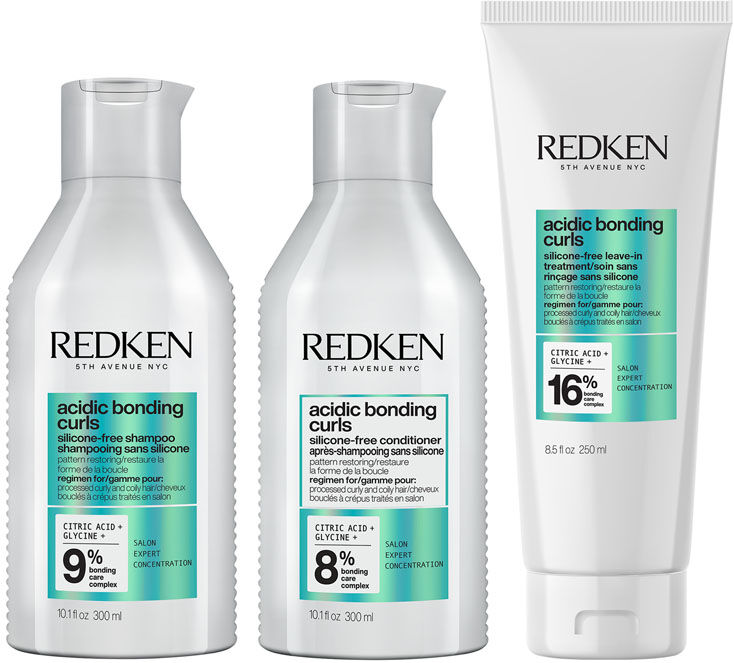
Redken Acidic Bonding Curls PackRepair inner curl strength and restore your curl pattern with Redken's Acidic Bonding Curls! The Acidic Bonding Curls Shampoo and Conditioner nourishes the hair, with curls (types 3A - 4C) feeling intensely conditioned and hydrated for up to 96 hours*. What's Included? Redken Acidic Bonding Curls Shampoo 300ml Redken Acidic Bonding Curls Shampoo 300ml Redken Acidic Bonding Curls Leave-In Treatment 250ml Acidic Bonding Curls is powered by the Curl Bond Technology which penetrates the hair cortex to build bonds and repair curl strength from the inside-out, whilst Citric Acid and Glycine helps rebalance hair back to its healthiest pH for healthy-feeling hair. The formula is also infused with natural oils such as coconut oil, to help keep curls feeling hydrated. As a result, broken inner bonds are repaired from the inside and the curl pattern is enhanced with natural movement. The range is also sulfate-free to provide gentle cleansing and silicone-free for lightweight, bouncy and curls which feel hydrated. Acidic Bonding Curls System helps restore your pattern's strength, shine, and definition, while making your curls feel more hydrated. Use as a complete regimen with Acidic Bonding Curls shampoo and leave-in treatment. Shampoo Ingredients: 1218391RK44 - INGREDIENTS: AQUA / WATER • SODIUM COCOYL ISETHIONATE • DECYL GLUCOSIDE • COCAMIDOPROPYL BETAINE • SORBITOL • CITRIC ACID • HYDROXYETHYL UREA • POTASSIUM HYDROXIDE • POTASSIUM COCOYL GLYCINATE • PPG-5-CETETH-20 • PANTHENOL • SODIUM BENZOATE • HYDROXYPROPYL GUAR HYDROXYPROPYLTRIMONIUM CHLORIDE • SODIUM CHLORIDE • PEG-55 PROPYLENE GLYCOL OLEATE • PROPYLENE GLYCOL • PARFUM / FRAGRANCE • CAPRYLYL GLYCOL • ACRYLATES/C10-30 ALKYL ACRYLATE CROSSPOLYMER • PEG-150 DISTEARATE • POLYQUATERNIUM-10 • POTASSIUM COCOATE • COCO-CAPRYLATE/CAPRATE • SALICYLIC ACID • GLYCOL DISTEARATE • BUTYROSPERMUM PARKII BUTTER / SHEA BUTTER • PERSEA GRATISSIMA OIL / AVOCADO OIL • LIMONENE • GLYCINE • COCO-BETAINE • LINALOOL • TOCOPHEROL • HELIANTHUS ANNUUS SEED OIL / SUNFLOWER SEED OIL • ROSMARINUS OFFICINALIS LEAF EXTRACT / ROSEMARY LEAF EXTRACT (F.I.L. Z70038193/2). Conditioner Ingredients: 1218392RK74 - INGREDIENTS: AQUA / WATER • CETEARYL ALCOHOL • BEHENTRIMONIUM CHLORIDE • SORBITOL • GLYCERIN • COCOS NUCIFERA OIL / COCONUT OIL • ISOPROPYL MYRISTATE • DISTEAROYLETHYL DIMONIUM CHLORIDE • HYDROXYETHYL UREA • OCTYLDODECANOL • ISOPROPYL ALCOHOL • PARFUM / FRAGRANCE • SODIUM CITRATE • PHENOXYETHANOL • CITRIC ACID • POTATO STARCH MODIFIED • LIMONENE • GLYCINE • HYDROXYPROPYL GUAR • LINALOOL • CITRONELLOL (F.I.L. Z70033454/1). *Based on consumer test results, Acidic Bonding Curls system67,13 £*Shipping: 0,00 £Secure redirect to the provider
-
What is the difference between ionic bonding, covalent bonding, and metallic bonding?
Ionic bonding involves the transfer of electrons from one atom to another, resulting in the formation of positively and negatively charged ions that are held together by electrostatic forces. Covalent bonding involves the sharing of electrons between atoms to achieve a stable electron configuration. Metallic bonding occurs in metals, where electrons are delocalized and free to move throughout the material, creating a "sea of electrons" that hold the metal atoms together. Each type of bonding results in different properties and behaviors of the substances involved. **
-
Who is familiar with chemistry in ionic bonding, metallic bonding, and molecular bonding?
Individuals who have studied chemistry at a high school or college level are likely to be familiar with ionic bonding, metallic bonding, and molecular bonding. This includes students, teachers, and professionals in the fields of chemistry, chemical engineering, and materials science. Additionally, those who have a general interest in science and have taken courses or done independent study in chemistry may also have knowledge of these types of chemical bonding. **
-
What is the difference between covalent bonding and ionic bonding?
Covalent bonding involves the sharing of electrons between atoms to achieve a stable electron configuration, typically between nonmetals. Ionic bonding involves the transfer of electrons from one atom to another, resulting in the formation of positively and negatively charged ions that are attracted to each other, typically between a metal and a nonmetal. In covalent bonding, the atoms involved have similar electronegativities, while in ionic bonding, there is a significant difference in electronegativities between the atoms. **
-
What are the similarities between ionic bonding and covalent bonding?
Both ionic bonding and covalent bonding involve the sharing or transfer of electrons between atoms to achieve a stable electron configuration. In both types of bonding, the goal is for each atom to achieve a full outer electron shell. Additionally, both types of bonding result in the formation of a compound with a neutral charge. However, the key difference between the two is that ionic bonding involves the transfer of electrons from one atom to another, while covalent bonding involves the sharing of electrons between atoms. **
* All prices are inclusive of VAT and, if applicable, plus shipping costs. The offer information is based on the details provided by the respective shop and is updated through automated processes. Real-time updates do not occur, so deviations can occur in individual cases. ** Note: Parts of this content were created by AI.