Buy wwcs.eu ?
We are moving the project
wwcs.eu .
Are you interested in purchasing the domain
wwcs.eu ?
domain@kv-gmbh.de · 0541-91531010
Buy wwcs.eu ?
How can soil salinization be avoided?
Soil salinization can be avoided by implementing proper irrigation practices, such as using drip irrigation or precision watering techniques to prevent excessive salt buildup in the soil. Additionally, planting salt-tolerant crops and rotating crops can help to mitigate the effects of salinization. Proper drainage systems and land management practices can also help to prevent the accumulation of salts in the soil. Finally, reducing the use of chemical fertilizers and using organic amendments can help to maintain soil health and prevent salinization. **
How does soil salinization occur in dry areas?
Soil salinization occurs in dry areas when the rate of evaporation exceeds the rate of precipitation, leading to the accumulation of salts in the soil. As water evaporates from the soil surface, it leaves behind salts that are naturally present in the soil or are brought up from deeper layers. Over time, these salts can build up to levels that are harmful to plants, impacting their growth and productivity. Additionally, poor drainage in dry areas can exacerbate soil salinization by preventing excess salts from being leached out of the soil profile. **
Similar search terms for Salinization
Top-Angebote
Products related to Salinization:
-
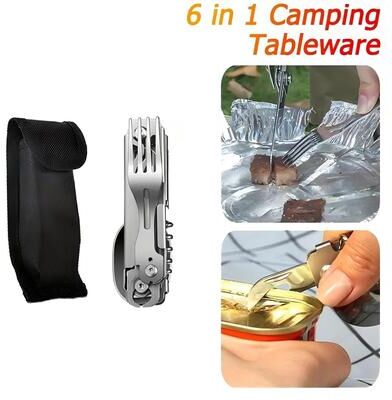
Perfect Picks Market Multifunctional Cutlery Set Portable Outdoor Tableware For Camping, Hiking, And Travel Multifunctional Cutlery Set Portable Outdoor Tableware For Camping, Hiking, And TravelUpgrade your outdoor meals with the 6in1 multifunctional cutlery set designed for campers, hikers, and travelers. This compact, portable tableware is all you need to enjoy a hasslefree dining experience in nature. Featuring a knife, fork, spoon, and...39,97 $*Shipping: 0,00 $Secure redirect to the provider
-
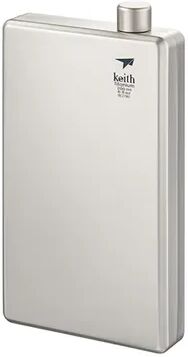
Smart Shopping Spot Camping Hip Flask Portable Titanium Flask For Travel, Hiking & Outdoor Use Camping Hip Flask Portable Titanium Flask For Travel, Hiking & Outdoor UseEnjoy your favorite drink wherever adventure takes you with this sleek titanium flask designed for modern explorers. Crafted for campers, hikers, and travelers, it combines ultralight durability with a clean, minimalist design. Unlike traditional...129,97 $*Shipping: 0,00 $Secure redirect to the provider
-
Multisell Products Hub Waterproof Compass Watch With Luminous Dial For Hiking Camping Survival Gear Waterproof Compass Watch With Luminous Dial For Hiking Camping Survival GearWhen youre out in the wild, confidence comes from knowing your direction at all times. This compass watch combines rugged reliability with everyday wearability, giving adventurers a simple yet powerful navigation tool right on their wrist. Designed...44,97 $*Shipping: 0,00 $Secure redirect to the provider
-
Inspired Finds Widesea Lightweight Aluminum Camping Mug Durable Outdoor Cup For Hiking, Trekking & Travel Widesea Lightweight Aluminum Camping Mug Durable Outdoor Cup For Hiking, Trekking & TravelEnjoy your favorite drink wherever adventure takes you with this versatile aluminum camping cup built for the outdoors. Designed to be lightweight yet durable, its the perfect companion for hikers, trekkers, and travelers who value practicality...34,99 $*Shipping: 0,00 $Secure redirect to the provider


-
How does soil salinization occur in arid areas?
Soil salinization occurs in arid areas primarily due to the lack of rainfall and high evaporation rates, which concentrate salts in the soil. When water evaporates from the soil surface, it leaves behind salts that accumulate over time. Additionally, irrigation practices in arid regions can contribute to soil salinization when water containing dissolved salts is applied to the soil and evaporates, leaving the salts behind. Over time, the buildup of salts can reach levels that are harmful to plant growth and soil health. **
-
Can someone please help me with explaining soil salinization?
Soil salinization is the process by which salt accumulates in the soil to levels that can negatively impact plant growth. This can occur naturally in arid regions where evaporation rates exceed precipitation, leaving behind salt deposits. Human activities such as irrigation with salty water or the use of fertilizers containing salts can also contribute to soil salinization. The excess salt in the soil can disrupt the osmotic balance of plants, making it difficult for them to take up water and nutrients, ultimately leading to reduced crop yields and degraded soil quality. **
-
What are the effects of irrigation and soil salinization?
Irrigation can have both positive and negative effects on soil. On one hand, it can increase crop yields and support agricultural production in areas with limited rainfall. However, over-irrigation can lead to waterlogging and soil salinization. Soil salinization occurs when the salt content in the soil increases to a level that is harmful to plant growth. This can lead to reduced crop yields, loss of biodiversity, and degradation of soil quality. Additionally, soil salinization can also affect the availability of water for irrigation and other agricultural activities. **
-
What is soil salinization and how can soil be irrigated?
Soil salinization is the accumulation of salts in the soil, which can negatively impact plant growth and crop productivity. To irrigate soil and help manage salinity levels, farmers can use techniques such as drip irrigation, which delivers water directly to the plant roots in a controlled manner, reducing the risk of salt buildup. Additionally, farmers can implement practices like leaching, where excess water is applied to the soil to flush out accumulated salts, helping to restore the soil's natural balance. **


Does soil salinization occur with every irrigation in arid areas?
Soil salinization does not necessarily occur with every irrigation in arid areas, but it is a common problem in these regions. When water is applied to the soil in arid areas, it can evaporate quickly, leaving behind salts that can accumulate over time and lead to salinization. Factors such as the quality of the irrigation water, the frequency of irrigation, and the drainage capacity of the soil can all influence the likelihood of salinization occurring. Proper management practices, such as using high-quality water and implementing effective drainage systems, can help mitigate the risk of soil salinization in arid areas. **
What is soil salinization and how can the soil be irrigated?
Soil salinization is the accumulation of salts in the soil, which can negatively impact plant growth and crop productivity. This occurs when the natural process of salt accumulation in the soil exceeds the rate of salt removal. To irrigate the soil and reduce salinization, several methods can be used. One common method is leaching, where excess salts are flushed out of the soil by applying large amounts of water. Another method is to use salt-tolerant crops that can withstand the high salt levels in the soil. Additionally, improving drainage and using more efficient irrigation techniques can help prevent further soil salinization. **
Top-Angebote
Products related to Salinization:
-
Inspire Daily Merch Windproof Camping Stove Shield Outdoor BBQ & Firewood Cooking Windbreak For Camping, Hiking, And BBQ Gear Windproof Camping Stove Shield Outdoor BBQ & Firewood Cooking Windbreak For Camping, Hiking, And BBQ GearPrepare for your outdoor adventure with our Windproof Camping Stove Shield. Designed to protect your fire from the elements, this lightweight, durable windscreen ensures consistent heat, making it an essential piece of camping gear. Perfect for BBQ...64,97 $*Shipping: 0,00 $Secure redirect to the provider
-
Perfect Picks Market Multifunctional Cutlery Set Portable Outdoor Tableware For Camping, Hiking, And Travel Multifunctional Cutlery Set Portable Outdoor Tableware For Camping, Hiking, And TravelUpgrade your outdoor meals with the 6in1 multifunctional cutlery set designed for campers, hikers, and travelers. This compact, portable tableware is all you need to enjoy a hasslefree dining experience in nature. Featuring a knife, fork, spoon, and...39,97 $*Shipping: 0,00 $Secure redirect to the provider
-
Smart Shopping Spot Camping Hip Flask Portable Titanium Flask For Travel, Hiking & Outdoor Use Camping Hip Flask Portable Titanium Flask For Travel, Hiking & Outdoor UseEnjoy your favorite drink wherever adventure takes you with this sleek titanium flask designed for modern explorers. Crafted for campers, hikers, and travelers, it combines ultralight durability with a clean, minimalist design. Unlike traditional...129,97 $*Shipping: 0,00 $Secure redirect to the provider
-
How can soil salinization be avoided?
Soil salinization can be avoided by implementing proper irrigation practices, such as using drip irrigation or precision watering techniques to prevent excessive salt buildup in the soil. Additionally, planting salt-tolerant crops and rotating crops can help to mitigate the effects of salinization. Proper drainage systems and land management practices can also help to prevent the accumulation of salts in the soil. Finally, reducing the use of chemical fertilizers and using organic amendments can help to maintain soil health and prevent salinization. **
-
How does soil salinization occur in dry areas?
Soil salinization occurs in dry areas when the rate of evaporation exceeds the rate of precipitation, leading to the accumulation of salts in the soil. As water evaporates from the soil surface, it leaves behind salts that are naturally present in the soil or are brought up from deeper layers. Over time, these salts can build up to levels that are harmful to plants, impacting their growth and productivity. Additionally, poor drainage in dry areas can exacerbate soil salinization by preventing excess salts from being leached out of the soil profile. **
-
How does soil salinization occur in arid areas?
Soil salinization occurs in arid areas primarily due to the lack of rainfall and high evaporation rates, which concentrate salts in the soil. When water evaporates from the soil surface, it leaves behind salts that accumulate over time. Additionally, irrigation practices in arid regions can contribute to soil salinization when water containing dissolved salts is applied to the soil and evaporates, leaving the salts behind. Over time, the buildup of salts can reach levels that are harmful to plant growth and soil health. **
-
Can someone please help me with explaining soil salinization?
Soil salinization is the process by which salt accumulates in the soil to levels that can negatively impact plant growth. This can occur naturally in arid regions where evaporation rates exceed precipitation, leaving behind salt deposits. Human activities such as irrigation with salty water or the use of fertilizers containing salts can also contribute to soil salinization. The excess salt in the soil can disrupt the osmotic balance of plants, making it difficult for them to take up water and nutrients, ultimately leading to reduced crop yields and degraded soil quality. **
Similar search terms for Salinization
-
Multisell Products Hub Waterproof Compass Watch With Luminous Dial For Hiking Camping Survival Gear Waterproof Compass Watch With Luminous Dial For Hiking Camping Survival GearWhen youre out in the wild, confidence comes from knowing your direction at all times. This compass watch combines rugged reliability with everyday wearability, giving adventurers a simple yet powerful navigation tool right on their wrist. Designed...44,97 $*Shipping: 0,00 $Secure redirect to the provider
-
Inspired Finds Widesea Lightweight Aluminum Camping Mug Durable Outdoor Cup For Hiking, Trekking & Travel Widesea Lightweight Aluminum Camping Mug Durable Outdoor Cup For Hiking, Trekking & TravelEnjoy your favorite drink wherever adventure takes you with this versatile aluminum camping cup built for the outdoors. Designed to be lightweight yet durable, its the perfect companion for hikers, trekkers, and travelers who value practicality...34,99 $*Shipping: 0,00 $Secure redirect to the provider
-
Tools, Home & Hobby Warm Wool Camping Blanket Large Waterproof Outdoor Blanket For Hiking Travel And Picnics Warm Wool Camping Blanket Large Waterproof Outdoor Blanket For Hiking Travel And PicnicsStay warm and comfortable wherever your adventures take you with this premium wool camping blanket designed for outdoor relaxation and coldweather activities. Made with an 80% wool blend, it provides excellent insulation, durability, and breathable...99,97 $*Shipping: 0,00 $Secure redirect to the provider
-
Uplift Curations Emergency Thermal Rain Poncho Waterproof Survival Poncho Blanket For Camping Hiking Outdoor Survival Gear orangeBe ready for sudden weather changes with a lightweight protective layer designed for emergencies. This thermal rain poncho combines the function of a waterproof raincoat and an insulating blanket to help keep you warm and dry in harsh outdoor...57,50 $*Shipping: 0,00 $Secure redirect to the provider
-
What are the effects of irrigation and soil salinization?
Irrigation can have both positive and negative effects on soil. On one hand, it can increase crop yields and support agricultural production in areas with limited rainfall. However, over-irrigation can lead to waterlogging and soil salinization. Soil salinization occurs when the salt content in the soil increases to a level that is harmful to plant growth. This can lead to reduced crop yields, loss of biodiversity, and degradation of soil quality. Additionally, soil salinization can also affect the availability of water for irrigation and other agricultural activities. **
-
What is soil salinization and how can soil be irrigated?
Soil salinization is the accumulation of salts in the soil, which can negatively impact plant growth and crop productivity. To irrigate soil and help manage salinity levels, farmers can use techniques such as drip irrigation, which delivers water directly to the plant roots in a controlled manner, reducing the risk of salt buildup. Additionally, farmers can implement practices like leaching, where excess water is applied to the soil to flush out accumulated salts, helping to restore the soil's natural balance. **
-
Does soil salinization occur with every irrigation in arid areas?
Soil salinization does not necessarily occur with every irrigation in arid areas, but it is a common problem in these regions. When water is applied to the soil in arid areas, it can evaporate quickly, leaving behind salts that can accumulate over time and lead to salinization. Factors such as the quality of the irrigation water, the frequency of irrigation, and the drainage capacity of the soil can all influence the likelihood of salinization occurring. Proper management practices, such as using high-quality water and implementing effective drainage systems, can help mitigate the risk of soil salinization in arid areas. **
-
What is soil salinization and how can the soil be irrigated?
Soil salinization is the accumulation of salts in the soil, which can negatively impact plant growth and crop productivity. This occurs when the natural process of salt accumulation in the soil exceeds the rate of salt removal. To irrigate the soil and reduce salinization, several methods can be used. One common method is leaching, where excess salts are flushed out of the soil by applying large amounts of water. Another method is to use salt-tolerant crops that can withstand the high salt levels in the soil. Additionally, improving drainage and using more efficient irrigation techniques can help prevent further soil salinization. **
* All prices are inclusive of VAT and, if applicable, plus shipping costs. The offer information is based on the details provided by the respective shop and is updated through automated processes. Real-time updates do not occur, so deviations can occur in individual cases. ** Note: Parts of this content were created by AI.