Buy wwcs.eu ?
We are moving the project
wwcs.eu .
Are you interested in purchasing the domain
wwcs.eu ?
domain@kv-gmbh.de · 0541-91531010
Buy wwcs.eu ?
What is seawater?
Seawater is the salty water that makes up the oceans and seas. It is a complex solution of various salts and minerals, with the most abundant being sodium and chloride, which give it its characteristic salty taste. Seawater also contains other elements such as magnesium, calcium, and potassium, as well as trace amounts of other substances. It is essential for the survival of marine life and plays a crucial role in regulating the Earth's climate and weather patterns. **
Can one drink seawater?
No, drinking seawater is not safe because it is extremely high in salt content. Consuming seawater can lead to dehydration and further complications due to the body's inability to process the high levels of salt. It is important to stick to drinking fresh water to stay hydrated and maintain proper bodily functions. **


Similar search terms for Seawater
Top-Angebote
Products related to Seawater:
-
Inspire Daily Merch Windproof Camping Stove Shield Outdoor BBQ & Firewood Cooking Windbreak For Camping, Hiking, And BBQ Gear Windproof Camping Stove Shield Outdoor BBQ & Firewood Cooking Windbreak For Camping, Hiking, And BBQ GearPrepare for your outdoor adventure with our Windproof Camping Stove Shield. Designed to protect your fire from the elements, this lightweight, durable windscreen ensures consistent heat, making it an essential piece of camping gear. Perfect for BBQ...64,97 $*Shipping: 0,00 $Secure redirect to the provider
-
Perfect Picks Market Multifunctional Cutlery Set Portable Outdoor Tableware For Camping, Hiking, And Travel Multifunctional Cutlery Set Portable Outdoor Tableware For Camping, Hiking, And TravelUpgrade your outdoor meals with the 6in1 multifunctional cutlery set designed for campers, hikers, and travelers. This compact, portable tableware is all you need to enjoy a hasslefree dining experience in nature. Featuring a knife, fork, spoon, and...39,97 $*Shipping: 0,00 $Secure redirect to the provider
-
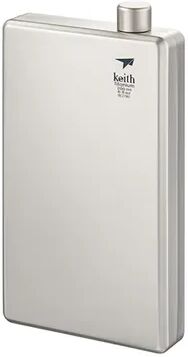
Smart Shopping Spot Camping Hip Flask Portable Titanium Flask For Travel, Hiking & Outdoor Use Camping Hip Flask Portable Titanium Flask For Travel, Hiking & Outdoor UseEnjoy your favorite drink wherever adventure takes you with this sleek titanium flask designed for modern explorers. Crafted for campers, hikers, and travelers, it combines ultralight durability with a clean, minimalist design. Unlike traditional...129,97 $*Shipping: 0,00 $Secure redirect to the provider



-
Why is seawater salty?
Seawater is salty because it contains dissolved minerals and salts that have been washed into the ocean over millions of years. Rainfall erodes rocks on land, carrying minerals like sodium and chloride into rivers that eventually flow into the ocean. Additionally, underwater volcanic activity can also release minerals and salts into the ocean, contributing to its salinity. The salt content of seawater is relatively stable due to a balance between the input of salts from sources like rivers and underwater vents, and the removal of salts through processes like evaporation. **
-
Can you drink seawater?
No, drinking seawater is not safe for humans. Seawater is too salty for our bodies to process, and consuming it can lead to dehydration rather than hydration. Drinking seawater can also cause kidney damage and other health issues due to the high salt content. It is important to stick to drinking fresh water to stay properly hydrated. **
-
Does seawater conduct electricity?
Yes, seawater does conduct electricity. This is because seawater contains dissolved salts and minerals, which are made up of charged particles called ions. When an electric current is passed through seawater, these ions allow the flow of electricity, making seawater a conductor. This property of seawater is utilized in various applications such as in the operation of underwater cables and in certain scientific experiments. **
-
Can I use regular seawater instead of expensive seawater products for my hair?
Yes, you can use regular seawater for your hair instead of expensive seawater products. Seawater is rich in minerals like magnesium, calcium, and potassium, which can help nourish and strengthen your hair. However, be mindful that seawater can be drying, so it's important to rinse your hair with fresh water after swimming in the ocean to prevent any potential damage. Additionally, you can also consider diluting seawater with fresh water to lessen its drying effects. **


Can one drink diluted seawater?
No, it is not safe to drink diluted seawater. Seawater contains high levels of salt and other minerals that can be harmful to the human body if consumed in large quantities. Drinking diluted seawater can lead to dehydration and electrolyte imbalances, which can have serious health consequences. It is always best to stick to drinking fresh, clean water for proper hydration. **
Can tetanus survive in seawater?
Tetanus bacteria, also known as Clostridium tetani, can survive in a variety of environments, including soil and dust. However, it is unlikely that tetanus bacteria can survive in seawater for an extended period of time due to the high salt content and other factors that may inhibit its growth. Additionally, the presence of other microorganisms in seawater may also compete with tetanus bacteria, further reducing its chances of survival. **
Top-Angebote
Products related to Seawater:
-
Caramia path light, stainless steel, seawater resistant Arcchio, dimmable, Alu / grey / zinc, Modern, Outdoor lightsThe round Caramia path light is made of stainless steel (V4A) and is seawater-resistant, so you can enjoy the light for a long time.129,90 £*Shipping: 4,99 £Secure redirect to the provider
-
Lindby outdoor light Clint, 225cm, 3-bulb, seawater resistant, E27 Clint Lindby, dimmable, Copper, Aluminium, Vintage, Post LightThe seawater-resistant Clint lamp post has three light sources mounted on the top in a nostalgic lantern shape. These provide good orientation light, for example in car parks or on access routes.299,90 £*Shipping: 43,99 £Secure redirect to the provider
-
Inspire Daily Merch Windproof Camping Stove Shield Outdoor BBQ & Firewood Cooking Windbreak For Camping, Hiking, And BBQ Gear Windproof Camping Stove Shield Outdoor BBQ & Firewood Cooking Windbreak For Camping, Hiking, And BBQ GearPrepare for your outdoor adventure with our Windproof Camping Stove Shield. Designed to protect your fire from the elements, this lightweight, durable windscreen ensures consistent heat, making it an essential piece of camping gear. Perfect for BBQ...64,97 $*Shipping: 0,00 $Secure redirect to the provider
-
What is seawater?
Seawater is the salty water that makes up the oceans and seas. It is a complex solution of various salts and minerals, with the most abundant being sodium and chloride, which give it its characteristic salty taste. Seawater also contains other elements such as magnesium, calcium, and potassium, as well as trace amounts of other substances. It is essential for the survival of marine life and plays a crucial role in regulating the Earth's climate and weather patterns. **
-
Can one drink seawater?
No, drinking seawater is not safe because it is extremely high in salt content. Consuming seawater can lead to dehydration and further complications due to the body's inability to process the high levels of salt. It is important to stick to drinking fresh water to stay hydrated and maintain proper bodily functions. **
-
Why is seawater salty?
Seawater is salty because it contains dissolved minerals and salts that have been washed into the ocean over millions of years. Rainfall erodes rocks on land, carrying minerals like sodium and chloride into rivers that eventually flow into the ocean. Additionally, underwater volcanic activity can also release minerals and salts into the ocean, contributing to its salinity. The salt content of seawater is relatively stable due to a balance between the input of salts from sources like rivers and underwater vents, and the removal of salts through processes like evaporation. **
-
Can you drink seawater?
No, drinking seawater is not safe for humans. Seawater is too salty for our bodies to process, and consuming it can lead to dehydration rather than hydration. Drinking seawater can also cause kidney damage and other health issues due to the high salt content. It is important to stick to drinking fresh water to stay properly hydrated. **
Similar search terms for Seawater
-
Perfect Picks Market Multifunctional Cutlery Set Portable Outdoor Tableware For Camping, Hiking, And Travel Multifunctional Cutlery Set Portable Outdoor Tableware For Camping, Hiking, And TravelUpgrade your outdoor meals with the 6in1 multifunctional cutlery set designed for campers, hikers, and travelers. This compact, portable tableware is all you need to enjoy a hasslefree dining experience in nature. Featuring a knife, fork, spoon, and...39,97 $*Shipping: 0,00 $Secure redirect to the provider
-
Smart Shopping Spot Camping Hip Flask Portable Titanium Flask For Travel, Hiking & Outdoor Use Camping Hip Flask Portable Titanium Flask For Travel, Hiking & Outdoor UseEnjoy your favorite drink wherever adventure takes you with this sleek titanium flask designed for modern explorers. Crafted for campers, hikers, and travelers, it combines ultralight durability with a clean, minimalist design. Unlike traditional...129,97 $*Shipping: 0,00 $Secure redirect to the provider
-
Multisell Products Hub Waterproof Compass Watch With Luminous Dial For Hiking Camping Survival Gear Waterproof Compass Watch With Luminous Dial For Hiking Camping Survival GearWhen youre out in the wild, confidence comes from knowing your direction at all times. This compass watch combines rugged reliability with everyday wearability, giving adventurers a simple yet powerful navigation tool right on their wrist. Designed...44,97 $*Shipping: 0,00 $Secure redirect to the provider
-
Inspired Finds Widesea Lightweight Aluminum Camping Mug Durable Outdoor Cup For Hiking, Trekking & Travel Widesea Lightweight Aluminum Camping Mug Durable Outdoor Cup For Hiking, Trekking & TravelEnjoy your favorite drink wherever adventure takes you with this versatile aluminum camping cup built for the outdoors. Designed to be lightweight yet durable, its the perfect companion for hikers, trekkers, and travelers who value practicality...34,99 $*Shipping: 0,00 $Secure redirect to the provider
-
Does seawater conduct electricity?
Yes, seawater does conduct electricity. This is because seawater contains dissolved salts and minerals, which are made up of charged particles called ions. When an electric current is passed through seawater, these ions allow the flow of electricity, making seawater a conductor. This property of seawater is utilized in various applications such as in the operation of underwater cables and in certain scientific experiments. **
-
Can I use regular seawater instead of expensive seawater products for my hair?
Yes, you can use regular seawater for your hair instead of expensive seawater products. Seawater is rich in minerals like magnesium, calcium, and potassium, which can help nourish and strengthen your hair. However, be mindful that seawater can be drying, so it's important to rinse your hair with fresh water after swimming in the ocean to prevent any potential damage. Additionally, you can also consider diluting seawater with fresh water to lessen its drying effects. **
-
Can one drink diluted seawater?
No, it is not safe to drink diluted seawater. Seawater contains high levels of salt and other minerals that can be harmful to the human body if consumed in large quantities. Drinking diluted seawater can lead to dehydration and electrolyte imbalances, which can have serious health consequences. It is always best to stick to drinking fresh, clean water for proper hydration. **
-
Can tetanus survive in seawater?
Tetanus bacteria, also known as Clostridium tetani, can survive in a variety of environments, including soil and dust. However, it is unlikely that tetanus bacteria can survive in seawater for an extended period of time due to the high salt content and other factors that may inhibit its growth. Additionally, the presence of other microorganisms in seawater may also compete with tetanus bacteria, further reducing its chances of survival. **
* All prices are inclusive of VAT and, if applicable, plus shipping costs. The offer information is based on the details provided by the respective shop and is updated through automated processes. Real-time updates do not occur, so deviations can occur in individual cases. ** Note: Parts of this content were created by AI.