Buy wwcs.eu ?
We are moving the project
wwcs.eu .
Are you interested in purchasing the domain
wwcs.eu ?
domain@kv-gmbh.de · 0541-91531010
Buy wwcs.eu ?
Which plants are considered xerophytes?
Xerophytes are plants that have adapted to survive in dry or arid environments. These plants have evolved various mechanisms to conserve water, such as deep root systems, reduced leaf surface area, and the ability to store water in their tissues. Examples of xerophytes include cacti, succulents, and certain types of grasses and shrubs that are commonly found in deserts, arid regions, and other dry habitats. These plants have developed specialized features that allow them to thrive in environments with limited water availability. **
How do xerophytes, or dry plants, function?
Xerophytes have evolved various adaptations to survive in dry environments. Some of these adaptations include reduced leaf surface area to minimize water loss through transpiration, thick waxy cuticles to prevent water loss, and deep root systems to access water deep in the soil. Additionally, some xerophytes have the ability to store water in their stems or leaves, allowing them to survive during periods of drought. These adaptations allow xerophytes to thrive in arid and semi-arid environments where water is scarce. **
Similar search terms for Xerophytes
Top-Angebote
Products related to Xerophytes:
-
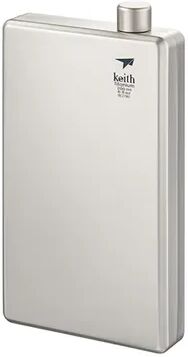
Smart Shopping Spot Camping Hip Flask Portable Titanium Flask For Travel, Hiking & Outdoor Use Camping Hip Flask Portable Titanium Flask For Travel, Hiking & Outdoor UseEnjoy your favorite drink wherever adventure takes you with this sleek titanium flask designed for modern explorers. Crafted for campers, hikers, and travelers, it combines ultralight durability with a clean, minimalist design. Unlike traditional...129,97 $*Shipping: 0,00 $Secure redirect to the provider
-
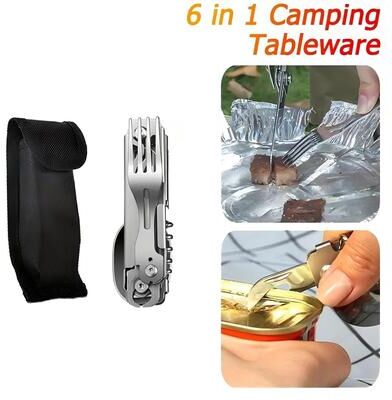
Perfect Picks Market Multifunctional Cutlery Set Portable Outdoor Tableware For Camping, Hiking, And Travel Multifunctional Cutlery Set Portable Outdoor Tableware For Camping, Hiking, And TravelUpgrade your outdoor meals with the 6in1 multifunctional cutlery set designed for campers, hikers, and travelers. This compact, portable tableware is all you need to enjoy a hasslefree dining experience in nature. Featuring a knife, fork, spoon, and...39,97 $*Shipping: 0,00 $Secure redirect to the provider
-
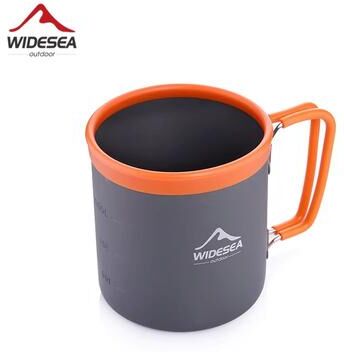
Inspired Finds Widesea Lightweight Aluminum Camping Mug Durable Outdoor Cup For Hiking, Trekking & Travel Widesea Lightweight Aluminum Camping Mug Durable Outdoor Cup For Hiking, Trekking & TravelEnjoy your favorite drink wherever adventure takes you with this versatile aluminum camping cup built for the outdoors. Designed to be lightweight yet durable, its the perfect companion for hikers, trekkers, and travelers who value practicality...34,99 $*Shipping: 0,00 $Secure redirect to the provider
-
Multisell Products Hub Waterproof Compass Watch With Luminous Dial For Hiking Camping Survival Gear Waterproof Compass Watch With Luminous Dial For Hiking Camping Survival GearWhen youre out in the wild, confidence comes from knowing your direction at all times. This compass watch combines rugged reliability with everyday wearability, giving adventurers a simple yet powerful navigation tool right on their wrist. Designed...44,97 $*Shipping: 0,00 $Secure redirect to the provider


-
Why do xerophytes mostly have dead hairs?
Xerophytes mostly have dead hairs because they help reduce water loss through transpiration. The dead hairs create a barrier that slows down air movement around the plant, reducing the rate of water evaporation from the plant's surface. This adaptation allows xerophytes to conserve water in arid environments where water is scarce. Additionally, dead hairs can also reflect sunlight, helping to reduce heat absorption and prevent the plant from overheating in hot, dry conditions. **
-
How do xerophytes, or desert plants, function?
Xerophytes, or desert plants, have evolved various adaptations to survive in arid environments. These adaptations include deep root systems to access water deep underground, reduced leaf surface area to minimize water loss through transpiration, and the ability to store water in their tissues. Some xerophytes also have specialized mechanisms to reflect sunlight and reduce heat absorption. Overall, these adaptations help desert plants conserve water and thrive in harsh desert conditions. **
-
What is the difference between succulents and xerophytes?
Succulents are a type of plant that store water in their leaves, stems, or roots to survive in arid conditions. Xerophytes, on the other hand, are plants that have adapted to survive in dry environments through various mechanisms such as reduced leaf surface area, deep root systems, or waxy coatings to prevent water loss. While all succulents are xerophytes, not all xerophytes are succulents, as xerophytes encompass a broader category of plants adapted to dry conditions. **
-
What is the difference between hydrophytes and xerophytes?
Hydrophytes are plants that are adapted to live in aquatic environments, such as ponds, lakes, and marshes. They have adaptations to thrive in waterlogged soils and have specialized structures to obtain oxygen and nutrients from the water. Xerophytes, on the other hand, are plants that are adapted to live in dry, arid environments. They have adaptations to conserve water, such as reduced leaf surface area, thick cuticles, and deep root systems. These adaptations allow xerophytes to survive in environments with limited water availability. **

What are xerophytes and how can they be described?
Xerophytes are plants that are adapted to survive in dry or arid environments with limited water availability. They have evolved various physiological and morphological adaptations to conserve water, such as reduced leaf surface area, thick waxy cuticles, and deep root systems to access water deep in the soil. Xerophytes can also close their stomata during the hottest part of the day to reduce water loss through transpiration. Overall, xerophytes are characterized by their ability to thrive in environments with low water availability. **
Why do mesophytes have soft leaves and xerophytes have hard leaves?
Mesophytes have soft leaves because they typically grow in environments with abundant water availability, so they do not need to conserve water. Soft leaves allow for efficient gas exchange and photosynthesis. On the other hand, xerophytes have hard leaves to reduce water loss through transpiration and to withstand harsh, dry conditions. The hardness of their leaves helps to minimize water loss and protect the plant from desiccation. **
Top-Angebote
Products related to Xerophytes:
-
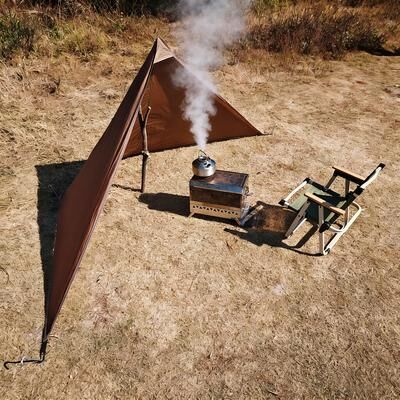
Inspire Daily Merch Windproof Camping Stove Shield Outdoor BBQ & Firewood Cooking Windbreak For Camping, Hiking, And BBQ Gear Windproof Camping Stove Shield Outdoor BBQ & Firewood Cooking Windbreak For Camping, Hiking, And BBQ GearPrepare for your outdoor adventure with our Windproof Camping Stove Shield. Designed to protect your fire from the elements, this lightweight, durable windscreen ensures consistent heat, making it an essential piece of camping gear. Perfect for BBQ...64,97 $*Shipping: 0,00 $Secure redirect to the provider
-
Smart Shopping Spot Camping Hip Flask Portable Titanium Flask For Travel, Hiking & Outdoor Use Camping Hip Flask Portable Titanium Flask For Travel, Hiking & Outdoor UseEnjoy your favorite drink wherever adventure takes you with this sleek titanium flask designed for modern explorers. Crafted for campers, hikers, and travelers, it combines ultralight durability with a clean, minimalist design. Unlike traditional...129,97 $*Shipping: 0,00 $Secure redirect to the provider
-
Perfect Picks Market Multifunctional Cutlery Set Portable Outdoor Tableware For Camping, Hiking, And Travel Multifunctional Cutlery Set Portable Outdoor Tableware For Camping, Hiking, And TravelUpgrade your outdoor meals with the 6in1 multifunctional cutlery set designed for campers, hikers, and travelers. This compact, portable tableware is all you need to enjoy a hasslefree dining experience in nature. Featuring a knife, fork, spoon, and...39,97 $*Shipping: 0,00 $Secure redirect to the provider
-
Which plants are considered xerophytes?
Xerophytes are plants that have adapted to survive in dry or arid environments. These plants have evolved various mechanisms to conserve water, such as deep root systems, reduced leaf surface area, and the ability to store water in their tissues. Examples of xerophytes include cacti, succulents, and certain types of grasses and shrubs that are commonly found in deserts, arid regions, and other dry habitats. These plants have developed specialized features that allow them to thrive in environments with limited water availability. **
-
How do xerophytes, or dry plants, function?
Xerophytes have evolved various adaptations to survive in dry environments. Some of these adaptations include reduced leaf surface area to minimize water loss through transpiration, thick waxy cuticles to prevent water loss, and deep root systems to access water deep in the soil. Additionally, some xerophytes have the ability to store water in their stems or leaves, allowing them to survive during periods of drought. These adaptations allow xerophytes to thrive in arid and semi-arid environments where water is scarce. **
-
Why do xerophytes mostly have dead hairs?
Xerophytes mostly have dead hairs because they help reduce water loss through transpiration. The dead hairs create a barrier that slows down air movement around the plant, reducing the rate of water evaporation from the plant's surface. This adaptation allows xerophytes to conserve water in arid environments where water is scarce. Additionally, dead hairs can also reflect sunlight, helping to reduce heat absorption and prevent the plant from overheating in hot, dry conditions. **
-
How do xerophytes, or desert plants, function?
Xerophytes, or desert plants, have evolved various adaptations to survive in arid environments. These adaptations include deep root systems to access water deep underground, reduced leaf surface area to minimize water loss through transpiration, and the ability to store water in their tissues. Some xerophytes also have specialized mechanisms to reflect sunlight and reduce heat absorption. Overall, these adaptations help desert plants conserve water and thrive in harsh desert conditions. **
Similar search terms for Xerophytes
-
Inspired Finds Widesea Lightweight Aluminum Camping Mug Durable Outdoor Cup For Hiking, Trekking & Travel Widesea Lightweight Aluminum Camping Mug Durable Outdoor Cup For Hiking, Trekking & TravelEnjoy your favorite drink wherever adventure takes you with this versatile aluminum camping cup built for the outdoors. Designed to be lightweight yet durable, its the perfect companion for hikers, trekkers, and travelers who value practicality...34,99 $*Shipping: 0,00 $Secure redirect to the provider
-
Multisell Products Hub Waterproof Compass Watch With Luminous Dial For Hiking Camping Survival Gear Waterproof Compass Watch With Luminous Dial For Hiking Camping Survival GearWhen youre out in the wild, confidence comes from knowing your direction at all times. This compass watch combines rugged reliability with everyday wearability, giving adventurers a simple yet powerful navigation tool right on their wrist. Designed...44,97 $*Shipping: 0,00 $Secure redirect to the provider
-
Tools, Home & Hobby Warm Wool Camping Blanket Large Waterproof Outdoor Blanket For Hiking Travel And Picnics Warm Wool Camping Blanket Large Waterproof Outdoor Blanket For Hiking Travel And PicnicsStay warm and comfortable wherever your adventures take you with this premium wool camping blanket designed for outdoor relaxation and coldweather activities. Made with an 80% wool blend, it provides excellent insulation, durability, and breathable...99,97 $*Shipping: 0,00 $Secure redirect to the provider
-
Inspired Finds Widesea Lightweight Camping Aluminum Cup Durable Outdoor Mug For Hiking, Trekking, And Travel Adventures Widesea Lightweight Camping Aluminum Cup Durable Outdoor Mug For Hiking, Trekking, And Travel AdventuresEnjoy your favorite drink anywhere with the camping aluminum cup built for rugged adventures and everyday outdoor use. The Widesea outdoor mug is crafted from highquality, lightweight aluminum thats easy to pack, durable enough for the trail, and...37,99 $*Shipping: 0,00 $Secure redirect to the provider
-
What is the difference between succulents and xerophytes?
Succulents are a type of plant that store water in their leaves, stems, or roots to survive in arid conditions. Xerophytes, on the other hand, are plants that have adapted to survive in dry environments through various mechanisms such as reduced leaf surface area, deep root systems, or waxy coatings to prevent water loss. While all succulents are xerophytes, not all xerophytes are succulents, as xerophytes encompass a broader category of plants adapted to dry conditions. **
-
What is the difference between hydrophytes and xerophytes?
Hydrophytes are plants that are adapted to live in aquatic environments, such as ponds, lakes, and marshes. They have adaptations to thrive in waterlogged soils and have specialized structures to obtain oxygen and nutrients from the water. Xerophytes, on the other hand, are plants that are adapted to live in dry, arid environments. They have adaptations to conserve water, such as reduced leaf surface area, thick cuticles, and deep root systems. These adaptations allow xerophytes to survive in environments with limited water availability. **
-
What are xerophytes and how can they be described?
Xerophytes are plants that are adapted to survive in dry or arid environments with limited water availability. They have evolved various physiological and morphological adaptations to conserve water, such as reduced leaf surface area, thick waxy cuticles, and deep root systems to access water deep in the soil. Xerophytes can also close their stomata during the hottest part of the day to reduce water loss through transpiration. Overall, xerophytes are characterized by their ability to thrive in environments with low water availability. **
-
Why do mesophytes have soft leaves and xerophytes have hard leaves?
Mesophytes have soft leaves because they typically grow in environments with abundant water availability, so they do not need to conserve water. Soft leaves allow for efficient gas exchange and photosynthesis. On the other hand, xerophytes have hard leaves to reduce water loss through transpiration and to withstand harsh, dry conditions. The hardness of their leaves helps to minimize water loss and protect the plant from desiccation. **
* All prices are inclusive of VAT and, if applicable, plus shipping costs. The offer information is based on the details provided by the respective shop and is updated through automated processes. Real-time updates do not occur, so deviations can occur in individual cases. ** Note: Parts of this content were created by AI.